
How You Build a Partnership That Lasts When the Chemistry Fades
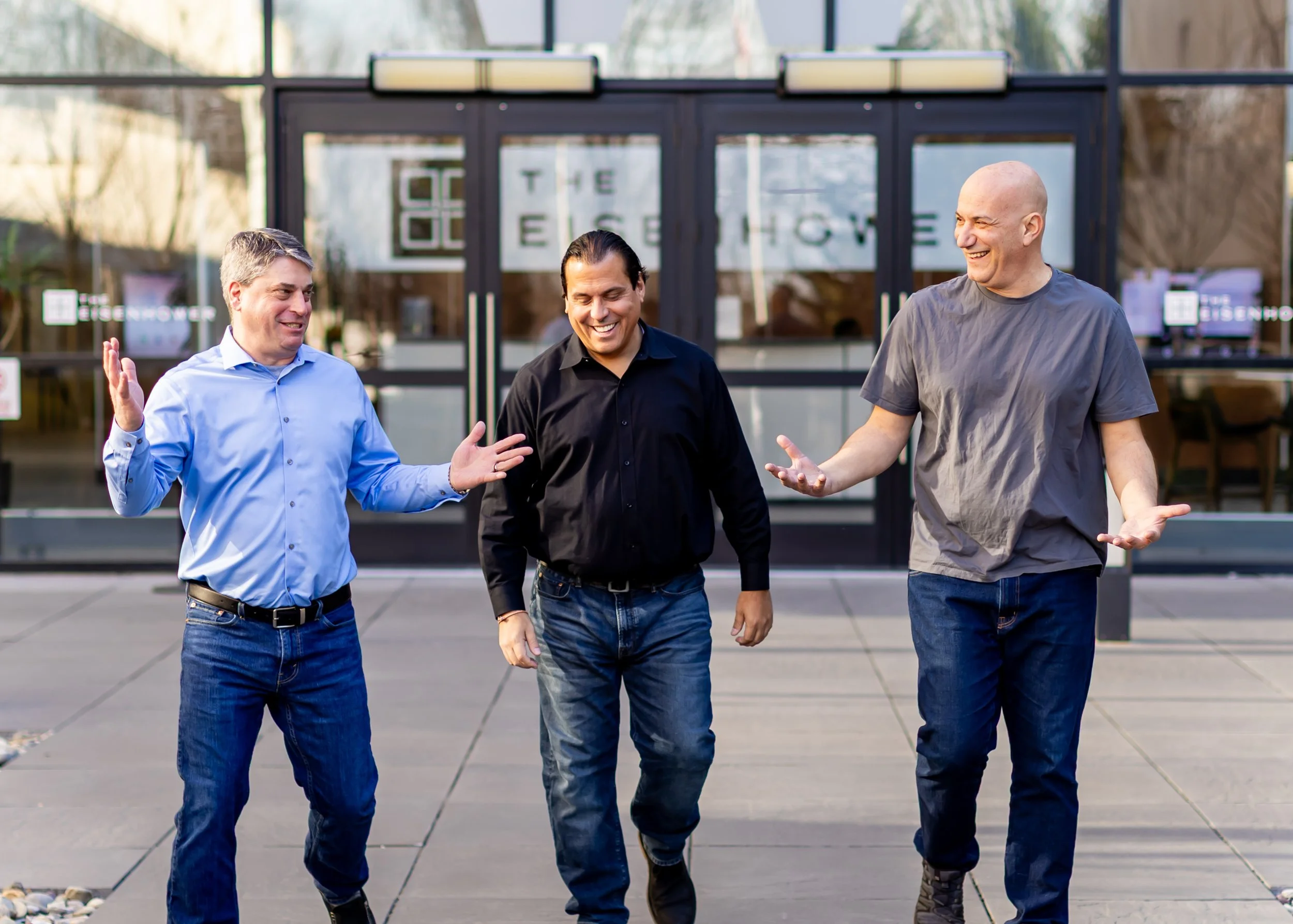
You like your business partner. You enjoy working together. The ideas flow. The energy is high. It feels easy.
That’s chemistry.
And chemistry is powerful. It is what gets you started. It is what makes you say, “Let’s do this.” It fuels the late nights, the big plans, the excitement of building something from nothing.
But here is the hard truth.
Chemistry will not carry you through the hard seasons.
It will not save you when a 51 percent decision goes the wrong way. It will not protect you from resentment when one partner feels unheard. It will not keep the business steady when pressure hits.
Trust will.
Most entrepreneurs focus on strategy. Marketing plans. Revenue targets. Hiring roadmaps. Those things matter. But they skip the foundation that makes all of it work.
The partnership itself.
When trust is missing, every decision feels like a negotiation. Every mistake feels personal. Every disagreement feels like a threat. The business slows down because the partners are protecting themselves instead of protecting the vision.
We have seen it too many times.
One client came to us after months of tension. On the surface, their company was growing. Revenue was up. The team was expanding. But behind closed doors, they were stuck in constant friction. Every meeting turned into a debate. Every new idea triggered defensiveness.
They had chemistry. What they did not have was intentional trust.
The turning point came when they stopped arguing about tactics and started talking about expectations. They defined decision domains. They agreed to fully support the person responsible for each call, even if it did not work out. They committed to eliminating “I told you so” from their vocabulary.
The shift was not dramatic at first. It was subtle.
Meetings became shorter. Decisions moved faster. Second guessing decreased. And within a year, not only had revenue increased, but so had their quality of life. One partner finally took a real vacation. The other stopped carrying silent resentment home to their family.
They moved from friction to flow.
Here is what changed.
They stopped assuming trust would just happen. They treated it like a growth strategy.
Trust is built when you follow through on commitments.
Trust is built when you admit mistakes quickly.
Trust is built when you give your partner autonomy and resist the urge to control.
Trust is built when you support a decision fully, even if it fails.
Trust is not a feeling. It is a pattern.
And here is something many leaders struggle to admit.
Sometimes you have to trust your partner more than you trust yourself.
When you can throw out an idea and hear, “No, that is not it,” without getting defensive, your thinking improves. When you know someone has your back after a tough call, you take better risks. When your partner recognizes your wins and corrects your blind spots, you grow faster.
That is not weakness. That is strength.
Chemistry starts companies. Trust builds legacies.
If your partnership feels heavier than it should, ask yourself one question.
Are we working on the business more than we are working on the partnership?
Because the business will only grow as strong as the foundation it stands on.
If this resonates with you, we would love to hear your thoughts. What is one habit that has strengthened trust in your partnership?
And if you want to go deeper, subscribe and follow The Partnership Guys Podcast. Your partnership might just be the most important asset you have.